
Slow Decor: The Beginner’s Guide to Creating a Collected, Intentional Home
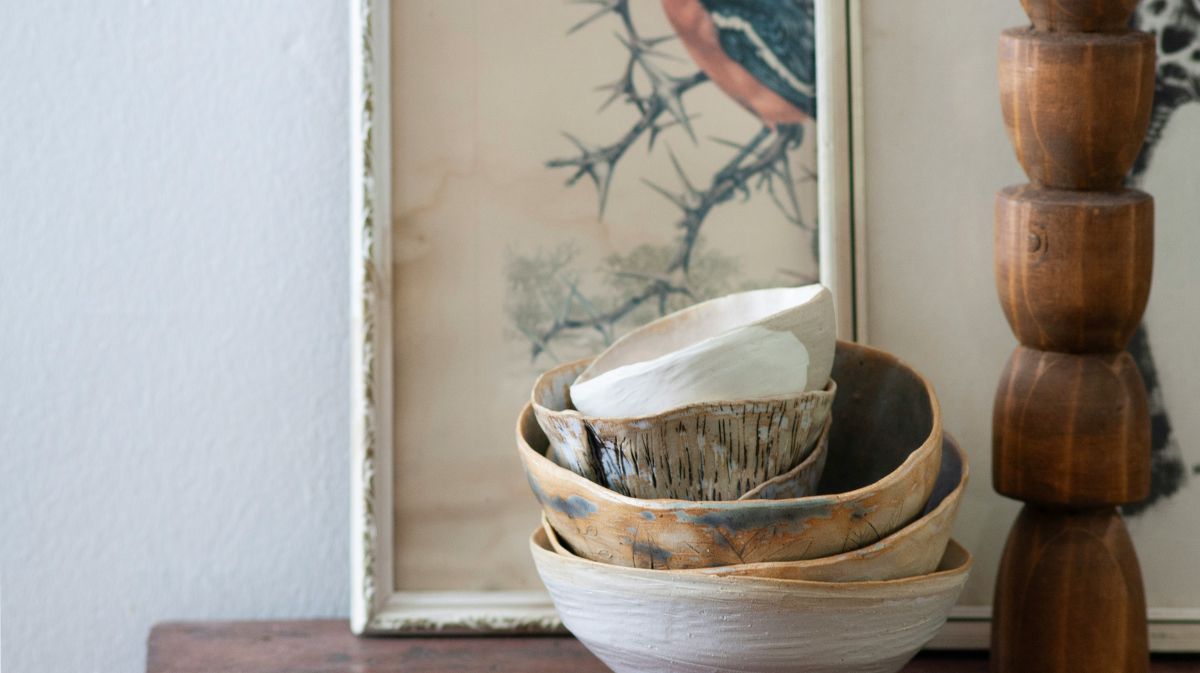
If you’ve ever spent an afternoon flipping over chairs at a thrift store to find a maker’s mark or felt that a room just wasn’t “right” despite being full of new furniture, you might already be a slow decorator. At its heart, the slow decor movement is about rejecting the “instant reveal” culture of home makeovers in favor of a home that grows with you.
For the Bryte River community, your home shouldn’t be a carbon copy of a catalog. It should be a collection of things you actually care about—the result of a lifelong “hunt” for objects that tell a story.
What is the Slow Decor Movement?
Slow decor is a mindful approach to interior design that prioritizes quality over quantity and personal style over fleeting trends. Think of it as the opposite of “fast-deco.” Instead of rushing to finish a room in a single weekend, you take your time to source meaningful, well-made pieces that will last for decades.
The benefits of going slow include:
A More Personal Home: Your space feels “lived-in” and unique because every item has a story.
Better for Your Budget: By spreading out your purchases, you can afford higher-quality “anchor” pieces that don’t need to be replaced in two years.
Sustainable Living: Choosing vintage, handmade, or solid wood items keeps “fast furniture” out of landfills.
A Brief History: Where Slowness Started
The movement didn’t start in a design studio—it started in a kitchen. In 1986, a protest was held in Rome against a new McDonald’s opening in the historic Piazza di Spagna. This sparked the “slow food” movement, which defended local traditions against mass production.
By the early 2000s, designers like Alastair Fuad-Luke and Carolyn F. Strauss began applying this “slow” philosophy to our homes. They argued that design shouldn’t just be about looking pretty; it should be about how a space supports our well-being and respects the environment. Today, especially after the global slowdown of 2020, more people are realizing that “good things take time.”
The 6 Simple Rules of Slow Design
To help you think like a slow decorator, the founders of the movement created six principles. Here is how to apply them to your own home:
- Reveal: Look for the story behind your furniture. Who made it? What material is it? Slow decor celebrates the “maker’s mark” and the process of creation.
- Expand: Think about your furniture’s future. Could that dining table become a desk one day? Can it be repaired? Choose items that can evolve as your life changes.
- Reflect: Before buying, ask if the item brings you real joy or if you’re just following a trend. This is similar to the “KonMari” method—prioritize emotional connection over convenience.
- Engage: Buy from local artists, antique shops, or small studios. When you know the person who made your rug or chair, you’re more likely to value it forever.
- Participate: Get your hands dirty! Whether it’s upcycling a thrifted dresser or helping a local craftsman customize a piece, being part of the process makes the final result more meaningful.
- Evolve: Give your home permission to be “unfinished.” Like a garden, a home is a living thing that should mature over time.
How to Decorate Slowly: Practical Tips
If you’re ready to start your own slow decor journey, here is a simple roadmap to follow:
1. Start with “Anchors”
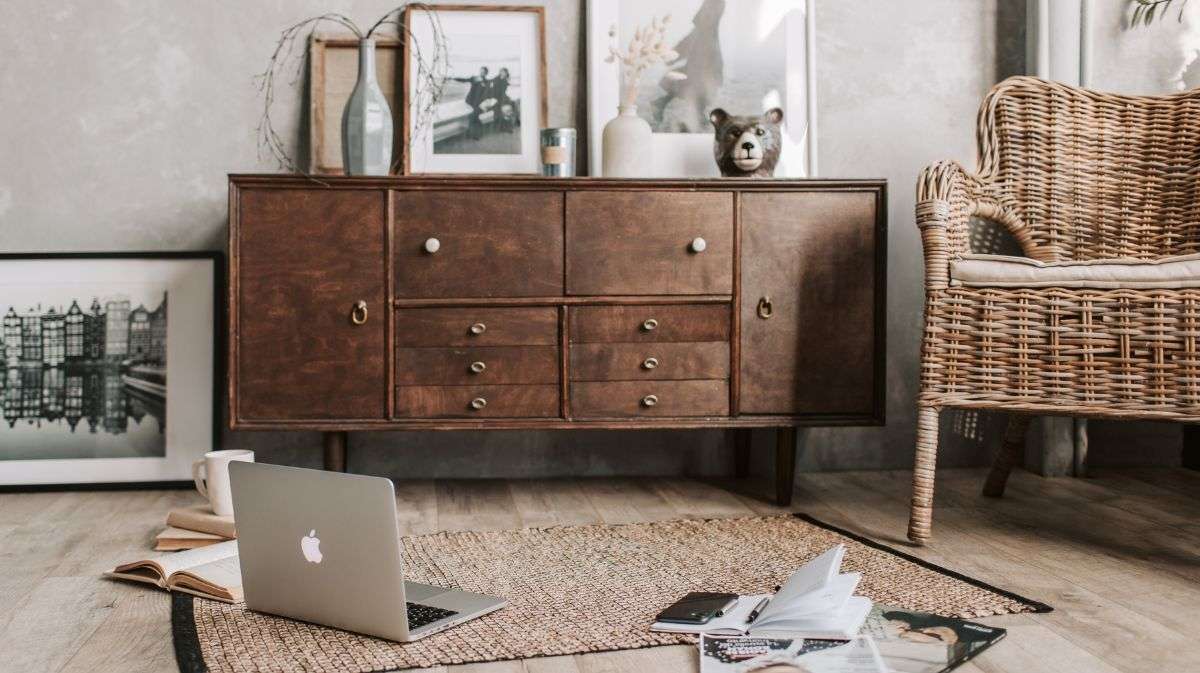
Before buying small accessories like pillows or vases, focus on your “anchors”—the big pieces that define a room, like your sofa, dining table, or bed. Investing in one high-quality, solid wood table is better than buying three cheap ones over five years.
2. The “Walk Away” Rule
In the age of “Add to Cart,” the best tool for a slow decorator is patience. If you see something you love online, close the tab and wait a week. If you’re still thinking about it a week later, the connection is likely real rather than an impulse.
3. “Shop Your Own Home”
Before you buy anything new, try moving what you already have. Swap a rug from the bedroom to the living room, or move a lamp to a different corner. This “refresh” often reveals that you already have what you need.
4. Embrace the Empty Space
It is okay to have a blank wall or an empty corner. Wait for the “right” piece—like a vintage painting found on a trip or a handmade bench—instead of filling the space with something temporary just to feel “done.”
Why Slowness is the Ultimate Sustainability
Slow decor is closely tied to the circular economy. This is a fancy way of saying we should keep things in use for as long as possible. Instead of the “take-make-waste” model, slow decorators focus on:
Repair: Using techniques like Kintsugi (the Japanese art of fixing pottery with gold) to celebrate an object’s history.
Honest Materials: Prioritizing wood, stone, linen, and wool, which age beautifully and are easier to recycle than synthetic materials.
Reuse: Buying vintage or secondhand is one of the most eco-friendly ways to furnish a home.
Looking Ahead: The "Imperfect" Trend of 2026
As we look toward 2026, the design world is moving even further away from the “perfect” look. Experts are calling this shift “Imperfect by Design.”
This trend is a rebellion against the glossy, overly-polished homes we see on social media. Instead, we are seeing a “yearning” for things that feel raw and honest—think rough textures, hand-drawn art, and furniture that shows the natural grain of the wood. The goal for 2026 is to create a “sanctuary” that supports human time rather than a space designed to impress others.
For everyone here at BryteRiver, slow decor is more than a style—it’s an act of care. It validates the hours you spend in dusty shops and the patience you have for a home that feels like your own soul. By slowing down, you aren’t just decorating a house; you’re building a legacy, one meaningful piece at a time.